Stop Guessing. Start Trading the Chop.
 Summer's thin, holiday-lull volume is over — fall brings rotation, earnings, and more chop back to the tape. Get the systematic framework before the crowd does.
A 23-page, rule-based guide to reading and trading range-bound, rotational markets — the same systematic approach behind ChartSmart and the MACD Divergence Guide, built specifically for the sideways, headline-driven conditions trend-following systems weren't designed for.
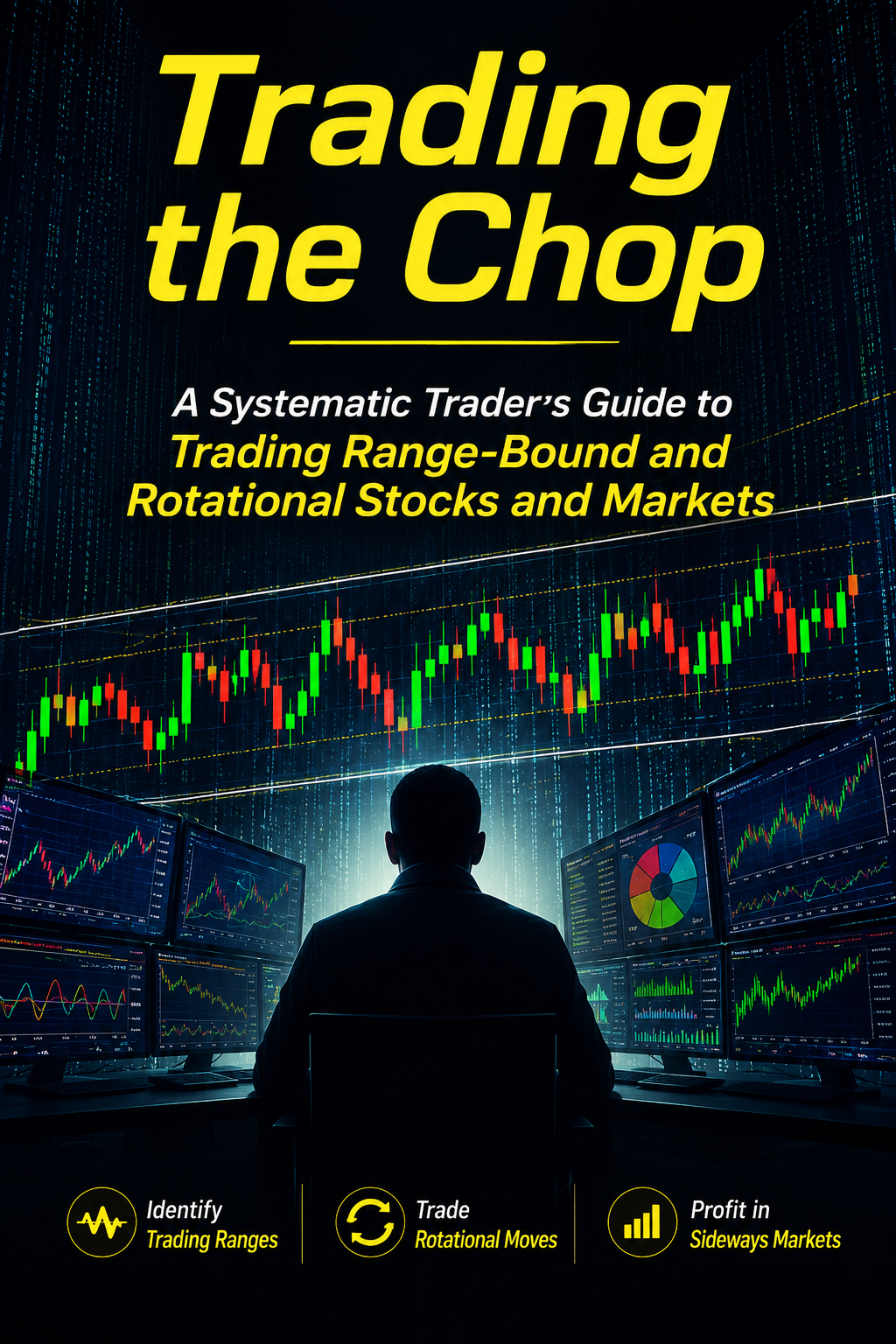
Everything Between You and a Market That Won't Trend.
Regime Identification
Confirm you're actually in a range — cycle-phase reading, ADXR thresholds, and a timeframe check before you risk a dime.
Momentum Confirmation
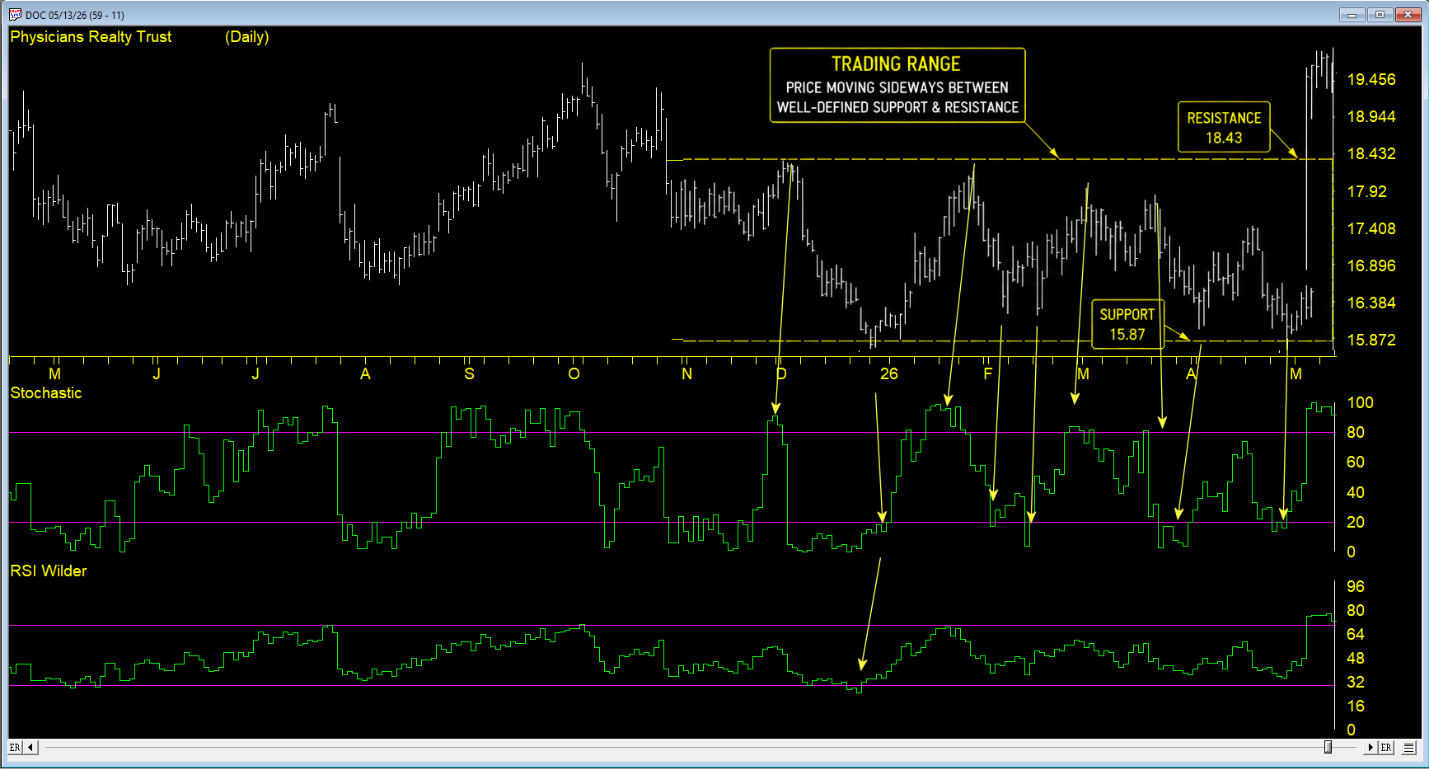
RSI Wilder and Stochastic used the way they were built for — overbought/oversold signals at real boundaries, not trend calls.
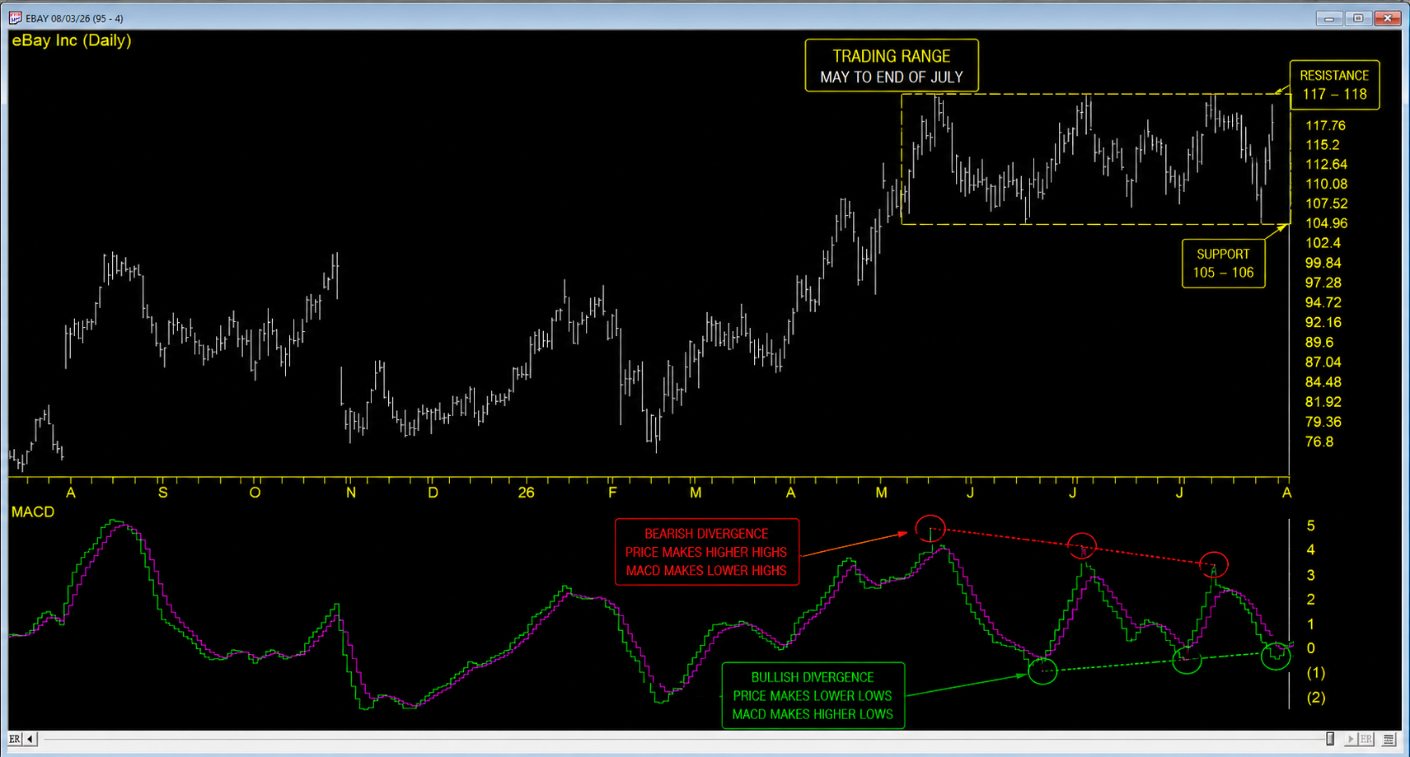
MACD Divergence for Chop
The same divergence tool trend traders use for reversals, repurposed to confirm a range boundary is about to hold.
Range Trading Mechanics
21-Day High/Low and Moving Average Bands — rule-based, non-discretionary boundaries.
Options for Sideways Markets
Why selling the spread beats buying the bounce, and exactly how to place strikes and expirations against a confirmed range.
Risk Management for Chop
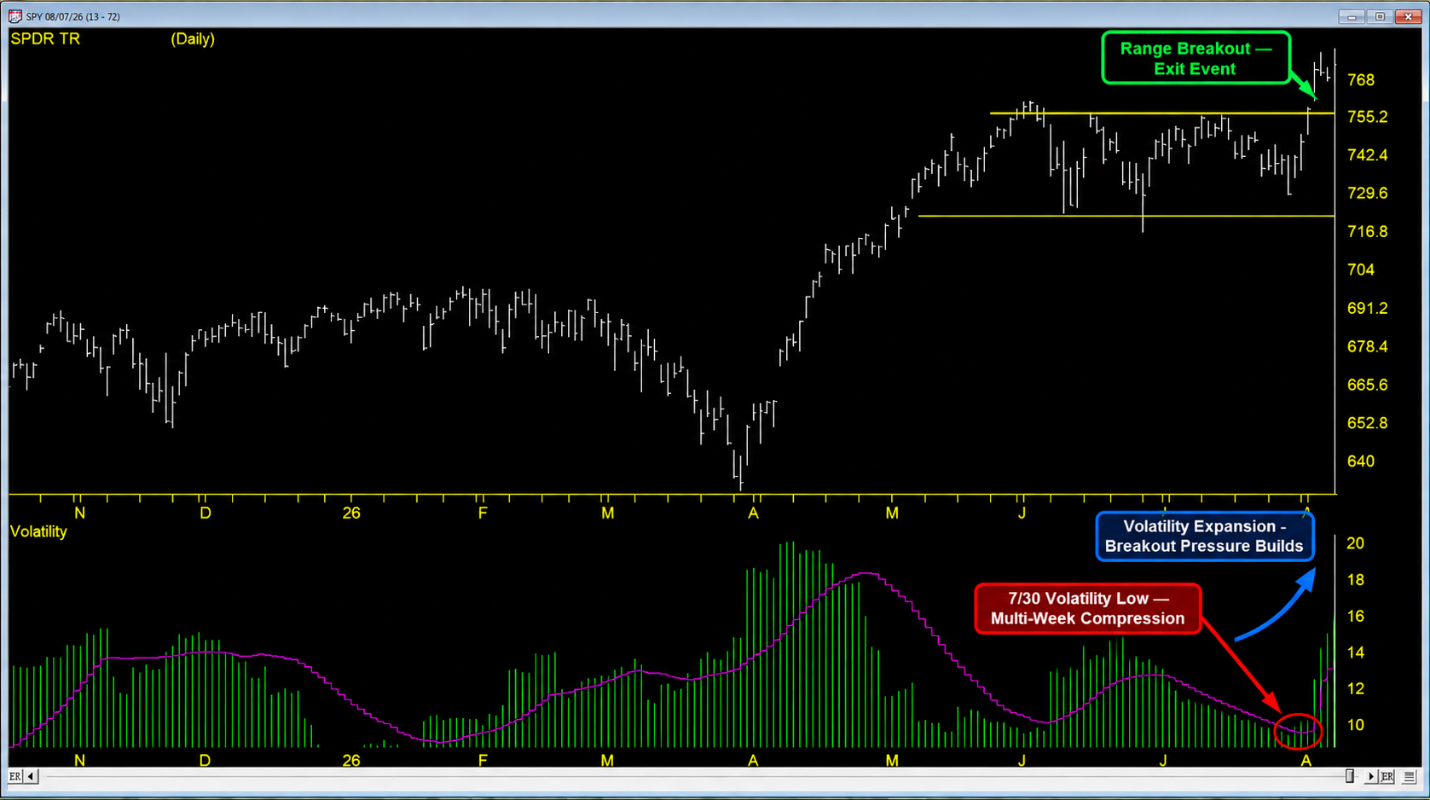
The Volatility indicator as an overtrading guardrail — sizing rules built for a market that isn't trending.
Watch the Free Session This Book Is Built On.
Rule-Based Setups — No Guesswork Required.
Regime Check — Cycle-Phase + ADXR
Range signal: ADXR below 25 with a basing cycle phase confirms a genuine non-trending regime.
Trend signal: ADXR above 25 means trend-following tools apply — stand down from range tactics.
Pro tip: always check one timeframe higher so a daily range trade isn't fighting a larger weekly trend.
RSI Wilder + Stochastic — Boundary Confirmation
Buy signal: RSI emerging from oversold (below 30) with Stochastic turning up through 20% near range support.
Sell signal: RSI easing from overbought (above 70) with Stochastic turning down through 80% near range resistance.
Pro tip: same-bar alignment is rare — don't wait for perfect confirmation or you'll rarely trade.
MACD Divergence — Repurposed for Chop
Buy signal: price makes a marginal new low at support that MACD doesn't confirm — selling pressure is exhausting.
Sell signal: price pokes to a new high at resistance MACD fails to confirm — the ceiling likely holds.
Pro tip: standard 12/26/9 works, but a shorter 5–7 period signal line reacts faster in fast-rotating chop.
21-Day High/Low + Trading Bands
Define the range: 21-day high marks resistance, 21-day low marks support — a close beyond either is the only valid breakout.
Confirm it: Moving Average Bands (20-day, 10%) should agree with the 21-day levels.
Pro tip: weight position size by range age — a range that's survived several boundary tests is more reliable than a fresh one.
Sell the Spread, Not the Bounce
The setup: credit spreads placed outside the 21-day high/low — a containment bet, not a reversal bet.
Why it wins: time decay, compressed implied volatility, and whipsaws all work against the option buyer and for the spread seller.
Pro tip: place the short strike a modest distance beyond the boundary, never directly at it.
Volatility — Risk Management
Breakout warning: Volatility expanding off a multi-week low warns a range may be about to break.
Pro tip: cap total simultaneous chop trades — they're correlated, not independent bets.
See Every Setup on Real 2026 Charts.
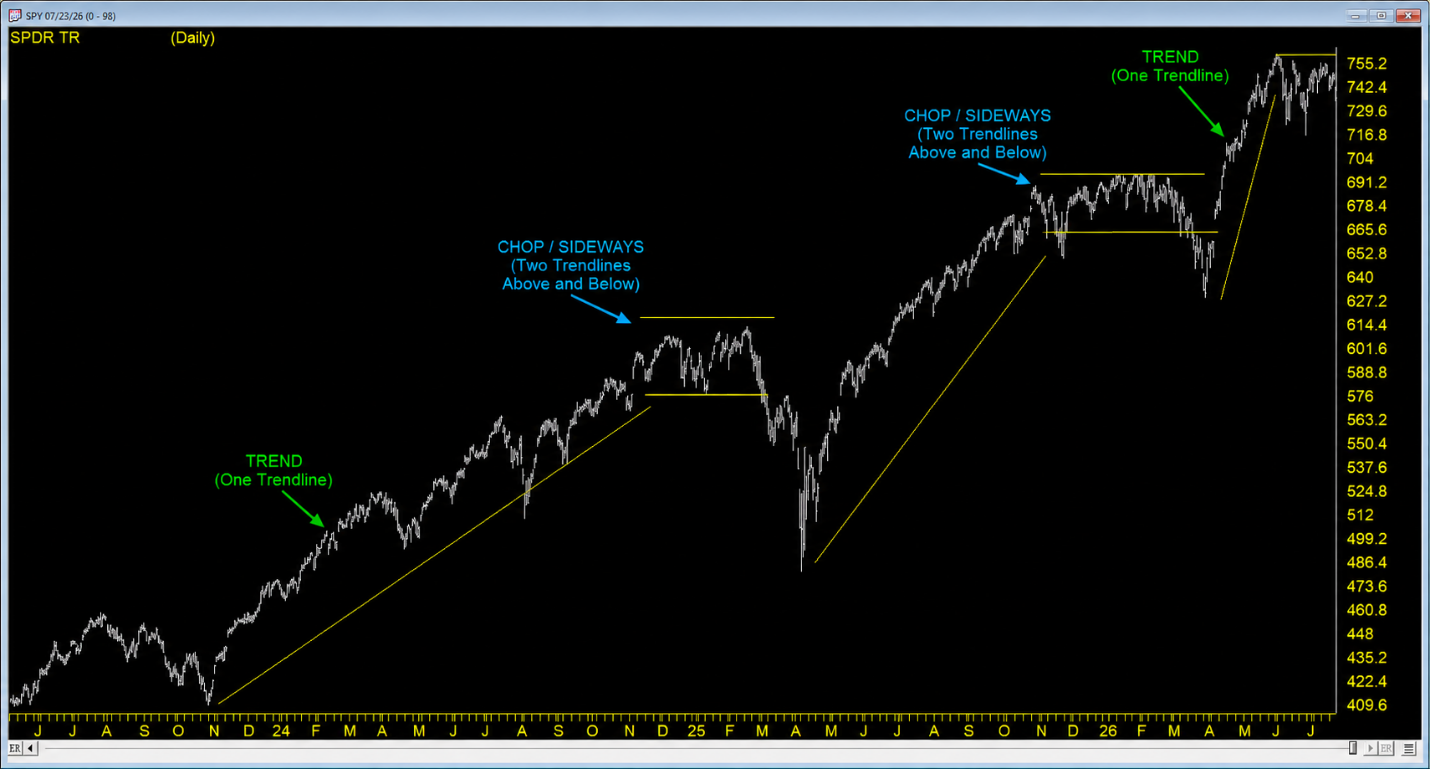
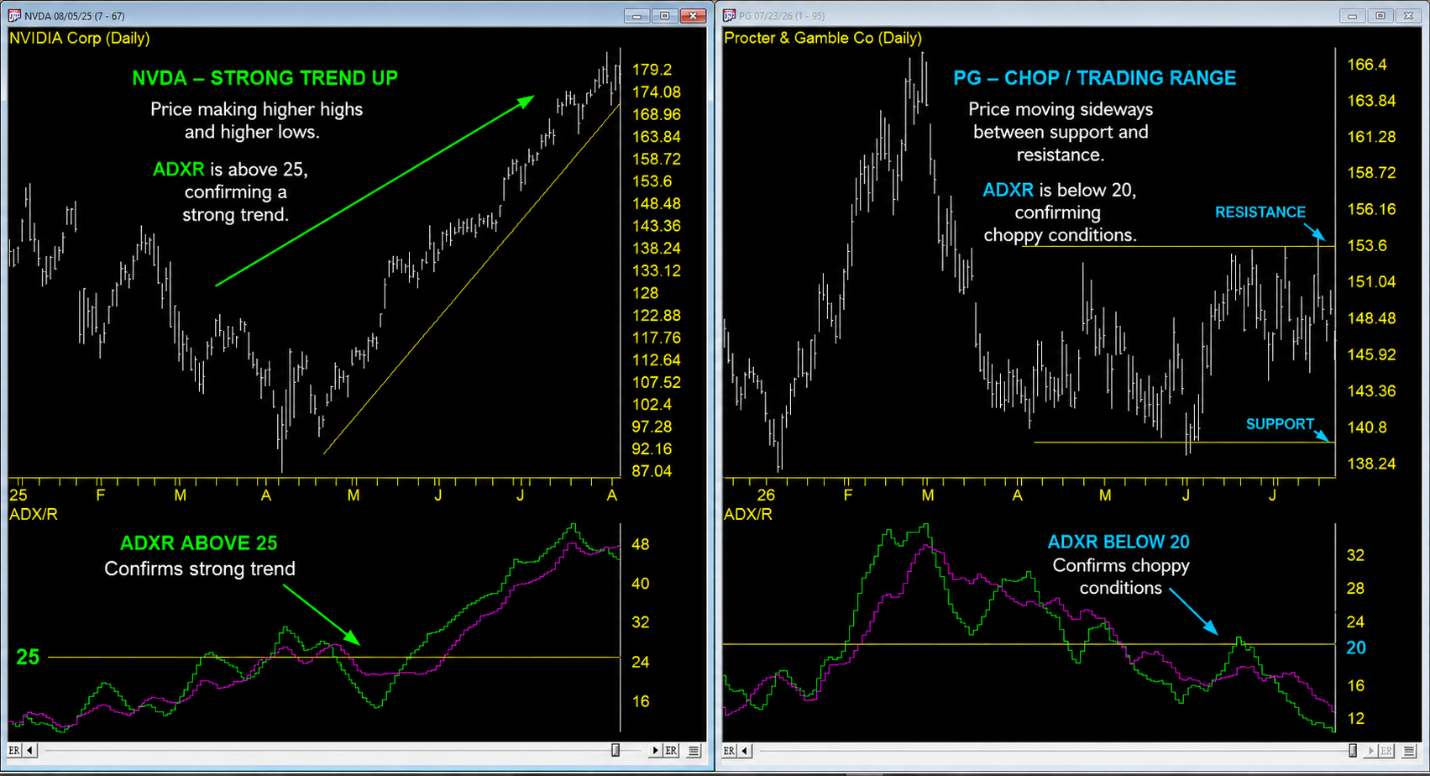
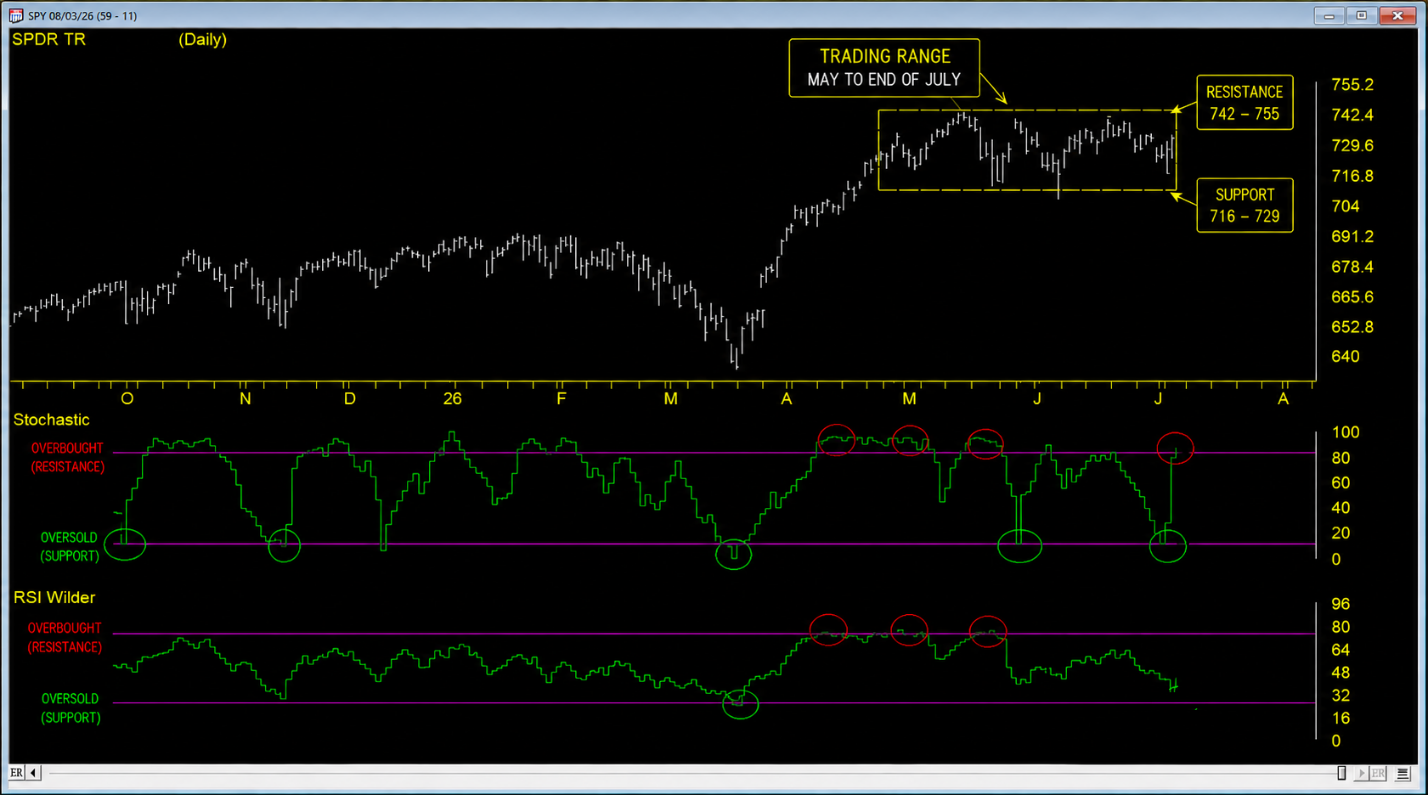
From Frustrated by Chop to Trading It on Purpose.
Know the regime before you trade it
Stop applying trend-following habits to a market that's already told you it isn't trending.
Trade real boundaries, not guesses
Define support and resistance by rule, and size positions by how reliable the range has actually proven to be.
Use options where they have an edge
Structure defined-risk trades that profit from exactly what a chop market does best — going nowhere.
Avoid the overtrading trap
Manage risk and position sizing for a market with no big trend to bail out a string of small losses.
A Complete, Rule-Based Toolkit.
Get Ready for Fall's Chop Before It Gets You.
Join traders building a systematic approach to the market they're actually facing this season — not the trending market they wish they had.